
BlogRoute Optimization
Route OptimizationHow to Reduce Fuel Costs Through Smarter Route Planning
Fuel costs represent a major challenge for delivery businesses. Discover how smarter route planning helps reduce unnecessary mileage, optimize delivery sequences, improve driver efficiency, and lower transportation expenses. Learn how Dropioo enables businesses to create optimized routes, improve fleet performance, and achieve more cost-effective delivery operations.
How to Reduce Fuel Costs Through Smarter Route Planning
Fuel is one of the largest operating expenses for delivery businesses. As fuel prices continue to fluctuate, companies managing fleets must find effective ways to control transportation costs while maintaining fast and reliable deliveries.
Many businesses focus on increasing sales and delivery volume but overlook one of the biggest opportunities for savings: optimizing delivery routes.
Poor route planning can lead to unnecessary mileage, longer driving times, excessive fuel consumption, and increased vehicle wear. By using smarter route planning strategies, businesses can significantly reduce fuel expenses, improve driver efficiency, and increase overall profitability.
1. The Impact of Inefficient Routes on Fuel Consumption
Every extra kilometer driven represents an additional cost for your business.
Without proper route optimization, drivers may experience:
Unnecessary detours
Repeated trips to the same area
Poor delivery stop sequences
Traffic-related delays
Longer driving distances
For businesses managing multiple vehicles, these inefficiencies can quickly add up and create thousands of dollars in unnecessary fuel expenses every year.
Smart route planning helps identify the shortest and most efficient paths, allowing drivers to complete more deliveries while consuming less fuel.
2. Optimize Delivery Sequences
The order in which deliveries are completed has a major impact on fuel consumption.
A poorly organized delivery schedule may force drivers to travel back and forth across the same area. Instead, optimized delivery sequences allow drivers to:
Complete nearby deliveries together
Avoid unnecessary backtracking
Reduce total travel distance
Spend less time on the road
By arranging stops intelligently, businesses can maximize every trip and reduce fuel waste.
3. Reduce Empty Miles
Empty miles are one of the biggest sources of hidden fuel costs.
Empty miles occur when vehicles travel without completing deliveries, such as:
Returning without additional assignments
Driving between delivery zones inefficiently
Moving vehicles without a planned schedule
A smart delivery planning system helps reduce these unnecessary movements by assigning orders more efficiently and improving vehicle utilization.
The result is fewer kilometers driven and better fuel efficiency.
4. Avoid Traffic and Delays
Traffic congestion increases fuel consumption because vehicles spend more time idling and moving slowly.
Smarter route planning considers factors such as:
Traffic conditions
Delivery time windows
Road restrictions
Driver schedules
By selecting better routes and planning deliveries at optimal times, businesses can reduce fuel wasted in traffic and improve delivery reliability.
5. Improve Driver Efficiency
Drivers play an important role in controlling fuel expenses.
With optimized routes, drivers receive clear instructions about:
The best delivery sequence
The most efficient route
Estimated arrival times
Assigned delivery areas
This reduces confusion, minimizes unnecessary driving, and helps drivers complete more deliveries with less fuel.
6. Extend Vehicle Lifespan
Reducing fuel consumption also helps protect your vehicles.
Excessive driving leads to:
Faster tire wear
More frequent maintenance
Higher repair costs
Reduced vehicle lifespan
By reducing unnecessary mileage, businesses can lower maintenance expenses and improve the long-term performance of their fleet.
How Dropioo Helps Reduce Fuel Costs
Dropioo helps businesses optimize their delivery operations through intelligent route planning and fleet management tools.
With Dropioo, businesses can:
Create optimized delivery routes
Reduce unnecessary mileage
Assign deliveries efficiently to drivers
Improve vehicle utilization
Track delivery operations in real time
Increase fleet productivity
Instead of relying on manual planning, businesses can use data-driven solutions to make smarter transportation decisions and reduce operational costs.
Conclusion
Fuel costs can significantly impact delivery profitability, but many businesses are spending more than necessary because of inefficient route planning.
By optimizing delivery sequences, reducing empty miles, avoiding traffic delays, and improving driver efficiency, companies can lower fuel expenses while improving service quality.
Smarter route planning is not only a way to save money — it is a powerful strategy for building a more efficient and sustainable delivery operation.
Reduce fuel waste. Optimize every route. Deliver smarter with Dropioo.
Ready to optimize your routes?
Start your free trial today - 30 days free, no credit card required.
Start free trialKeep reading
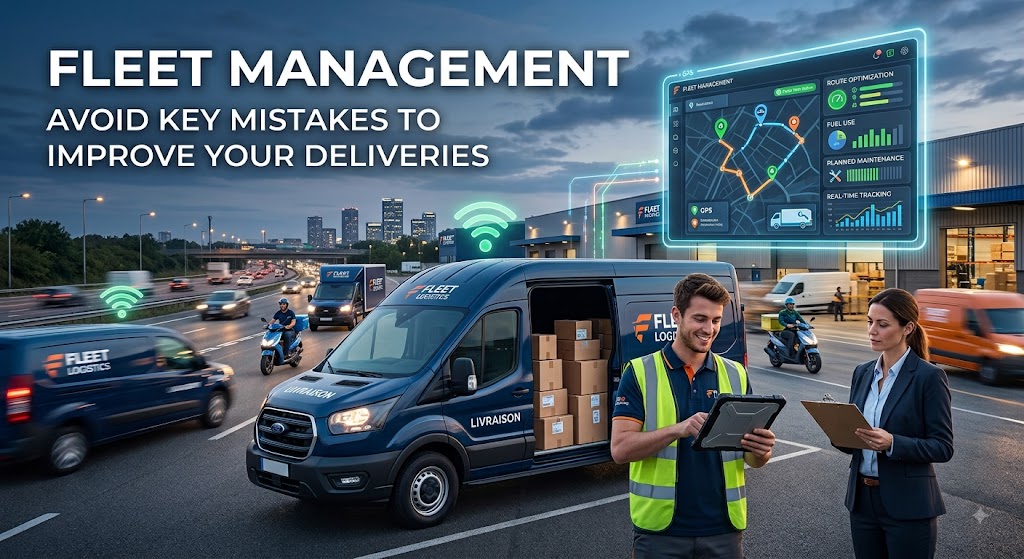
Fleet Management: Common Mistakes to Avoid for Better Deliveries
Discover the most common fleet management mistakes and learn how to reduce operating costs, optimize routes, improve driver performance, and make deliveries more efficient.
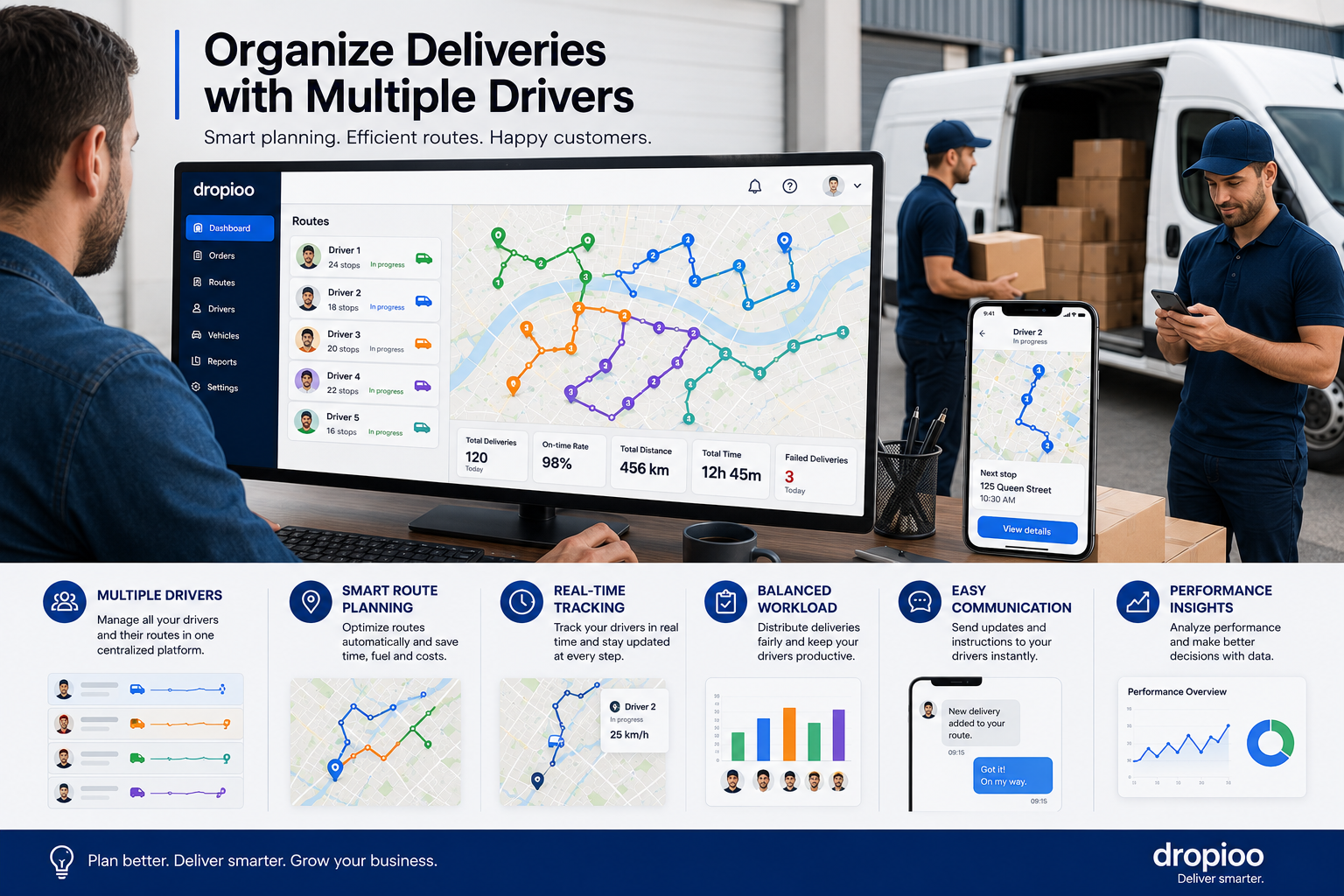
How to Organize Deliveries with Multiple Drivers
Managing multiple drivers can quickly become challenging as the number of deliveries increases. Learn how to efficiently assign orders, balance workloads, optimize routes, manage driver availability, and improve overall delivery performance.